Plant Cuttings Explained: Tip, Node, Wet Stick, Offshoot
Plant cuttings are not one product. Tip cuts, node cuts, wet sticks, and offshoots carry different risk, price, and packing needs.
By Jordan Wells
Plantsnearby is reader-supported. As an Amazon Associate we earn from qualifying purchases. Learn more.
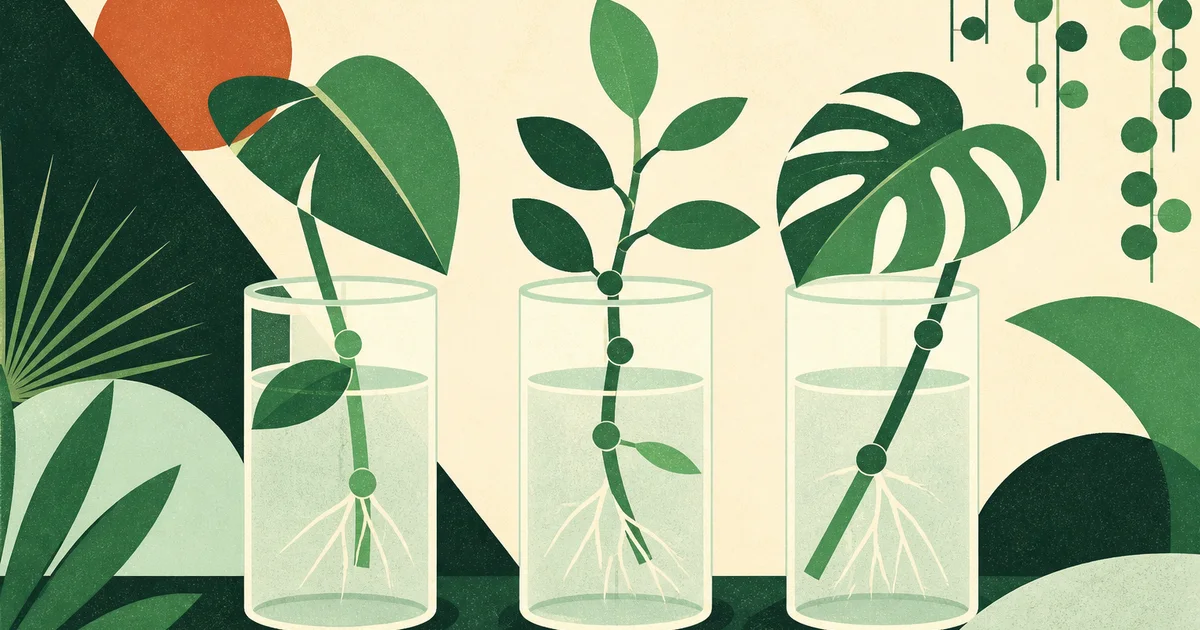
The short answer: When you buy or sell plant cuttings, name the type. Tip, node, wet stick, and offshoot are different products with different prices, timelines, and failure rates.
Plant cuttings are how a lot of rare and collector inventory actually moves. A full specimen can be expensive. A clean cutting can start a collection without the full price. The catch is that “cutting” is not a single SKU. Buyers and sellers need the same vocabulary.
If you are buying scarce cultivars, pair this with rare plants for sale. If you are shopping starts as products, use plant cuttings for sale for listing checks, plus succulent cuttings for sale when the start is a leaf or stem prop. Sellers packing boxes should read how to pack plant cuttings. If you trade locally, read plant swap before you bag anything. We want both sides of a trade speaking the same language about what is in the bag.
Tip cuttings
A tip cutting includes the growing tip plus one or more nodes. It often has leaves already, so it looks like a mini plant. Buyers like tip cuttings because they feel finished. Sellers like them when the mother plant can spare top growth without wrecking the display plant.
Check that leaves are firm and the stem is not translucent or mushy. A tip cutting with collapsed leaves is a soft-rot risk, especially in a sealed bag. Transit heat turns a wet tip cutting into mush faster than most people expect.
Ask whether it is already rooted or still unrooted. Rooted tip cuttings cost more and should show white, firm roots, not brown slime. If roots look sparse, that is fine when the price matches. If roots look dead, it is not a rooted tip anymore.
Tip cuttings also need honest size notes. “Small tip” and “large tip with three leaves” are different products. Include approximate length and leaf count so buyers can compare listings without guessing from a cropped photo.
Node cuttings
A node cutting is built around a node that can push new growth and roots. It may have a leaf, a piece of stem, or both. For trailing aroids, the node is the product. The leaf is marketing.
Buyers should zoom on the node. Sellers should photograph it clearly and say how many nodes are included. “One-leaf cutting” without a visible node is a common dispute starter. If you cannot see a node in the photo, ask for another shot before you pay.
Node cuttings are a good marketplace format: compact, shippable, and easy to price. They still need clean tools and honest moisture levels. A dripping wet node in plastic for three days often arrives cooked. Slightly dry and firm usually travels better than soaked.
When plant cuttings are sold as nodes from variegated parents, ask whether the leaf attached shows the variegation you care about, and whether the newest growth on the mother plant still matches. Genetics and expression are related, but a showy old leaf does not guarantee the next flush.
Wet sticks
Wet sticks are leafless stem sections with nodes, usually kept humid until they break. They are slower and less predictable than tip cuttings. They can be a fair deal when priced for patience, not for instant Instagram growth.
Buyers should expect weeks of waiting and some failure rate. Sellers should not call a wet stick a “rooted plant.” That mismatch is how trust dies. A wet stick is a project. Price it and pack it like a project.
If a wet stick listing is expensive, ask why. Scarce genetics can justify price. Vague rarity language cannot. Also ask how the stick has been stored: humidity method, temperature, and whether any sprouts are already showing. Early sprouts change both value and packing needs.
Wet sticks hate extremes. Too wet and they rot. Too dry and they stall. Sellers who ship them should describe the wrap, not just the cultivar name. Buyers who receive them should open the package, check for mold, and set up a clean humidity environment instead of leaving the stick in a sweaty bag on a windowsill.
Offshoots, pups, and plantlets
Offshoots and pups are young plants that form beside or on a mother plant. They often arrive closer to “small plant” than “stem piece.” Buyers still need to know if roots are attached and how recently it was separated.
Sellers should show the separation point and root mass. A pup ripped off with no roots is closer to an unrooted cutting than a starter plant. Call it what it is. Honest labels prevent the “I thought this was rooted” argument that shows up after every messy meetup.
These starts are popular in marketplace trades because they feel tangible. Quarantine them anyway. Pups travel with the mother’s pest problems. A cute pup with mites is still a mite delivery system.
Offshoots also vary by species habits. Some plants make sturdy pups with their own roots. Others produce fragile plantlets that need more humidity after separation. If you are unsure, ask the seller how they root that type at home. A seller who grows the mother plant usually has a plain answer.
Rooted vs unrooted: price and risk
Rooted plant cuttings cost more because someone already carried the early risk. Unrooted cuttings cost less and need better buyer skill. Neither is “better.” They are different products, and marketplace prices should reflect that without drama. For a full side-by-side, read rooted vs unrooted cuttings.
Listings should say:
- Cutting type
- Node count
- Rooted or unrooted
- Approximate size
- Local pickup or shipping method
On Plantsnearby, that clarity helps both sides meet without a long DM interrogation. If you sell rare genetics as cuttings, use the photo habits in how to photograph rare plants for sale and the full selling guide in how to sell plants. A clear node photo plus a short packing note prevents most cutting disputes before they start.
Shipping notes matter more for soft, leafy tips than for compact nodes. Overwatered cuttings ship poorly. Bone-dry cuttings can desiccate. Aim for firm tissue and moderate moisture. Buyers comparing rare plants for sale should price the form first, then the cultivar hype.
Local trades and plant swap tables are great for plant cuttings when bags are labeled. Unlabeled mystery stems create uneven trades and quiet resentment. Write the type on the bag. It takes ten seconds.
How we think about cutting quality
We care about node health, honesty of form, and packing moisture more than dramatic leaf shots. A boring photo of a firm node beats a glamorous leaf with rot at the base. That is the standard we want sellers to aim for when they list plant cuttings on Plantsnearby.
We also care about remake policies when sellers ship unrooted starts. Failure happens. What matters is whether the listing said so up front and whether the seller has a plain remake or partial refund path.
Rooting timelines vary by species and season. Treat any “guaranteed roots in 5 days” claim with caution unless the seller backs it with a clear remake policy. Warm months often root faster. Cold, dark weeks often do not. For water, moss, and soil methods after purchase, see how to root plant cuttings.
If you are new to buying plant cuttings, start with clear node photos, local pickup when you can, and species you already know how to keep alive. Scarce cultivars are more fun when the cutting type is honest and the price matches the work still ahead. Browse Plantsnearby for listings that name the cutting type in plain language, then compare a few options before you commit.
Frequently Asked Questions
What are plant cuttings?
Plant cuttings are pieces of a mother plant used to grow a new plant. Common forms include tip cuttings, node cuttings, wet sticks, and offshoots or pups.
Are unrooted plant cuttings worth buying?
Yes, if the price matches the risk and the node looks healthy. Unrooted starts are cheaper and fail more often than rooted plants.
What is a wet stick cutting?
A wet stick is usually a leafless stem piece with at least one node, often kept in high humidity until it sprouts. It needs patience and clean conditions.
How should sellers list plant cuttings for sale?
State cutting type, node count, rooted or unrooted, length, and show close photos of the node. Vague “cutting” labels cause disputes.
Can I trade plant cuttings at a plant swap?
Yes. Label bags, keep pest notes honest, and quarantine anything new. See our plant swap guide for etiquette.
Do plant cuttings ship well?
Compact tip and node cuttings often ship better than large rooted plants. Soft, leafy, or overwatered cuttings travel poorly.