Sell Plant Cuttings: A Clear Listing Guide
Want to sell plant cuttings without endless DMs? Name the form, show the node, price the work already done, and spell out pickup or packing.
By Jordan Wells
Plantsnearby is reader-supported. As an Amazon Associate we earn from qualifying purchases. Learn more.
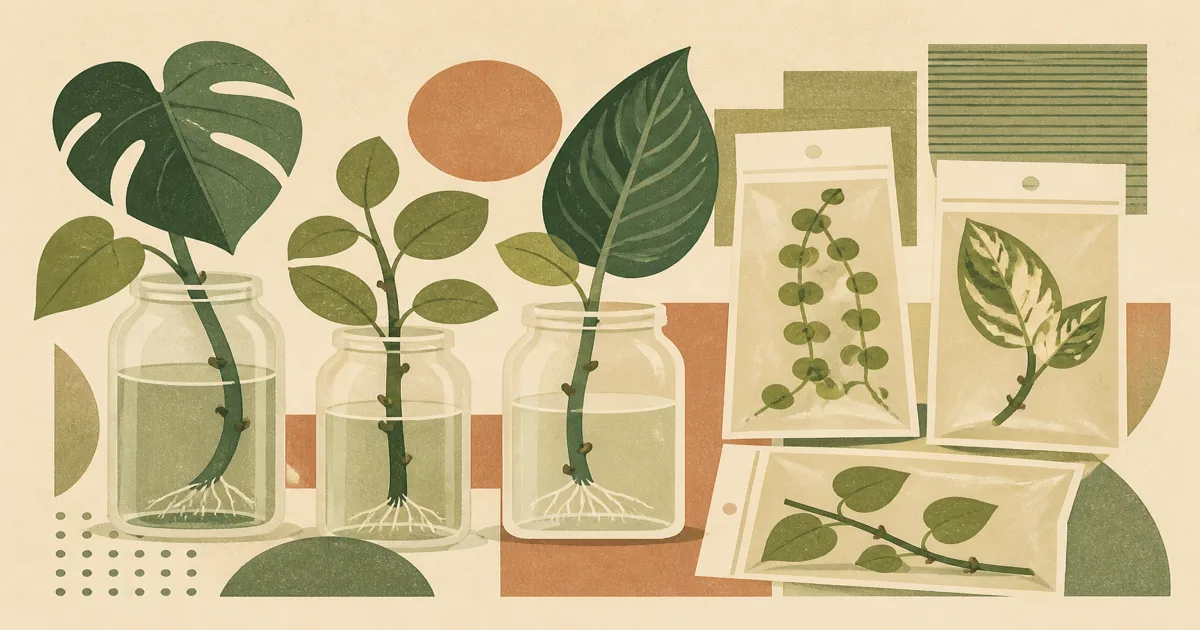
The short answer: To sell plant cuttings well, treat each stem like a product page. Name the cutting type, show the node, say rooted or unrooted, price the work already done, and give a pickup window or packing plan buyers can understand.
Selling cuttings is how many hobby growers fund their next shelf. It also creates most of the messy disputes in plant chats: wrong cutting type, reused photos, and soggy bags in hot trucks. This guide is for sellers. Buyers can use it to spot careful listings.
List cuttings on Plantsnearby when you want photos and specs in one post. Pair this with how to sell plants for the wider listing habit.
Decide what you are selling
Name the form. Tip cutting, node cutting, wet stick, leaf cutting, or pup. Rooted or unrooted. Length or node count. Cultivar or honest common name.
“Cute cutting, DM me” is not a listing. It creates ten questions you will answer badly at midnight. Write the specs once.
Only sell firm, clean stock. Soft stems and active pests belong in treatment, not in a cart. Clean first. List second. Buyers shopping plant cuttings for sale already know the difference.
If you take several cuttings from one mother plant, photograph each one. Do not reuse a single hero leaf across five posts. People notice. Trust dies quietly.
Photos that prevent arguments
Show the whole cutting, the node close-up, and a scale reference. For rooted cuttings, show roots. For unrooted cuttings, show stem firmness.
Take photos the day you list. Old gallery shots of a different cutting are how refund chats start. Exact inventory photos are the standard.
Add one underside or soil-surface shot when pests are a known risk for that plant. Hiding mites behind angled leaves trains buyers to leave public complaints.
Write specs buyers can scan
Under the gallery, state:
- Name (cultivar or common)
- Cutting type
- Rooted or unrooted
- Size or node count
- Price and what it includes
- Pickup window or shipping method
- Any quirks already visible
Photos without specs create back-and-forth. Specs without photos create suspicion. You want both.
Read plant cuttings if you need plain language for tip, node, wet stick, and offshoot. Use those words in the listing so buyers are not guessing.
Price the work already done
Unrooted cuttings cost less than rooted ones because the buyer finishes the rooting risk. Rooted cuttings cost more because you already spent time and space. See rooted vs unrooted cuttings and how to price plants for sale.
Check local comps before you copy a social-media fantasy price. Scarce names still need proof. Common pothos cuttings should not wear rare-aroid pricing.
Bundle deals are fine when each cutting is shown. “Mystery bundle” without photos is a dispute machine.
Pickup and packing plans
Decide fulfillment before you post. Local only, shipping only, or both. Soft tips and large leaves are often local-only for a reason.
For local pickup, give a clear window, a public meeting spot when that feels safer, and a cancel rule if someone is late. Bring the exact cutting in the photos.
For shipping, follow how to pack plant cuttings. Moisture control matters. A wet bag in summer heat turns a firm cutting into mush. Refuse ship weeks that you know will cook the box.
Say whether you ship Monday through Wednesday only, whether you hold for heat, and whether you insure. Buyers reward plain logistics more than emoji.
Messages and boundaries
Answer cultivar and form questions with short facts. If someone asks for a discount on every cutting, you can say no. Selling cuttings is still selling.
If a buyer wants a different cutting than the one pictured, take a new photo or decline. Do not swap silently.
Keep screenshots of the listing and the agreed terms. They help if a “not as described” claim appears later.
A simple weekly selling rhythm
Pick a harvest day. Take cuttings, let cut ends callus when that plant needs it, photograph while stems are firm, then list the same day or the next morning. Stale cuttings in a jar on the counter look worse every hour.
Answer messages in batches if you can. Short factual replies beat long essays. Link your packing or pickup terms once so you are not retyping them.
When a cutting sells, mark it sold and remove or update the gallery. Selling the same photographed cutting twice is how you earn a reputation you do not want.
Keep a small notes file with mother-plant source and treatment history. Buyers of scarce cultivars ask. Having the answer ready makes you look careful, because you are.
If you sell both cuttings and full plants, keep separate galleries and prices. Mixing a cutting photo with a full-plant price is how trust breaks. Buyers comparing plant cuttings for sale posts already expect form labels.
Red flags in your own process
Listing dirty stock because you want the money now. Reusing photos. Changing the cultivar name in chat. Shipping soaked cuttings into a heat wave.
Fix those before you blame “difficult buyers.” Most cutting drama is preventable with clearer posts.
If you feel tempted to ship a soft cutting “because they already paid,” refund or offer a replacement instead. One honest cancel beats a public complaint about mush on arrival.
Soft next steps
List your next cutting on Plantsnearby with exact photos and plain specs. Refresh how to pack plant cuttings and how to price plants for sale before you take payment on a scarce cultivar.
Frequently Asked Questions
How do I sell plant cuttings for the first time?
Start with healthy stems, exact cutting photos, a plain form label, and a clear pickup window or packing method.
What should a cutting listing include?
Cutting type, rooted or unrooted status, node count or length, price, and handoff terms. Photos of the exact cutting belong in the gallery.
Should I sell plant cuttings rooted or unrooted?
Both work. Rooted cuttings cost more and travel differently. Unrooted cuttings need honest firmness photos and packing care.
How do I price cuttings?
Price the form first, then cultivar demand, then local comps. See our pricing guide for a simple comps habit.
Can I ship cuttings?
Yes when you can describe packing and refuse bad weather weeks. Local pickup is safer for soft tips and large leaves.