Starter Plants for Sale: What Buyers and Sellers Should Specify
Starter plants for sale are small rooted plants, not a vague promise of future size. Buyers and sellers should agree on form, size, and handoff before payment.
By Jordan Wells
Plantsnearby is reader-supported. As an Amazon Associate we earn from qualifying purchases. Learn more.
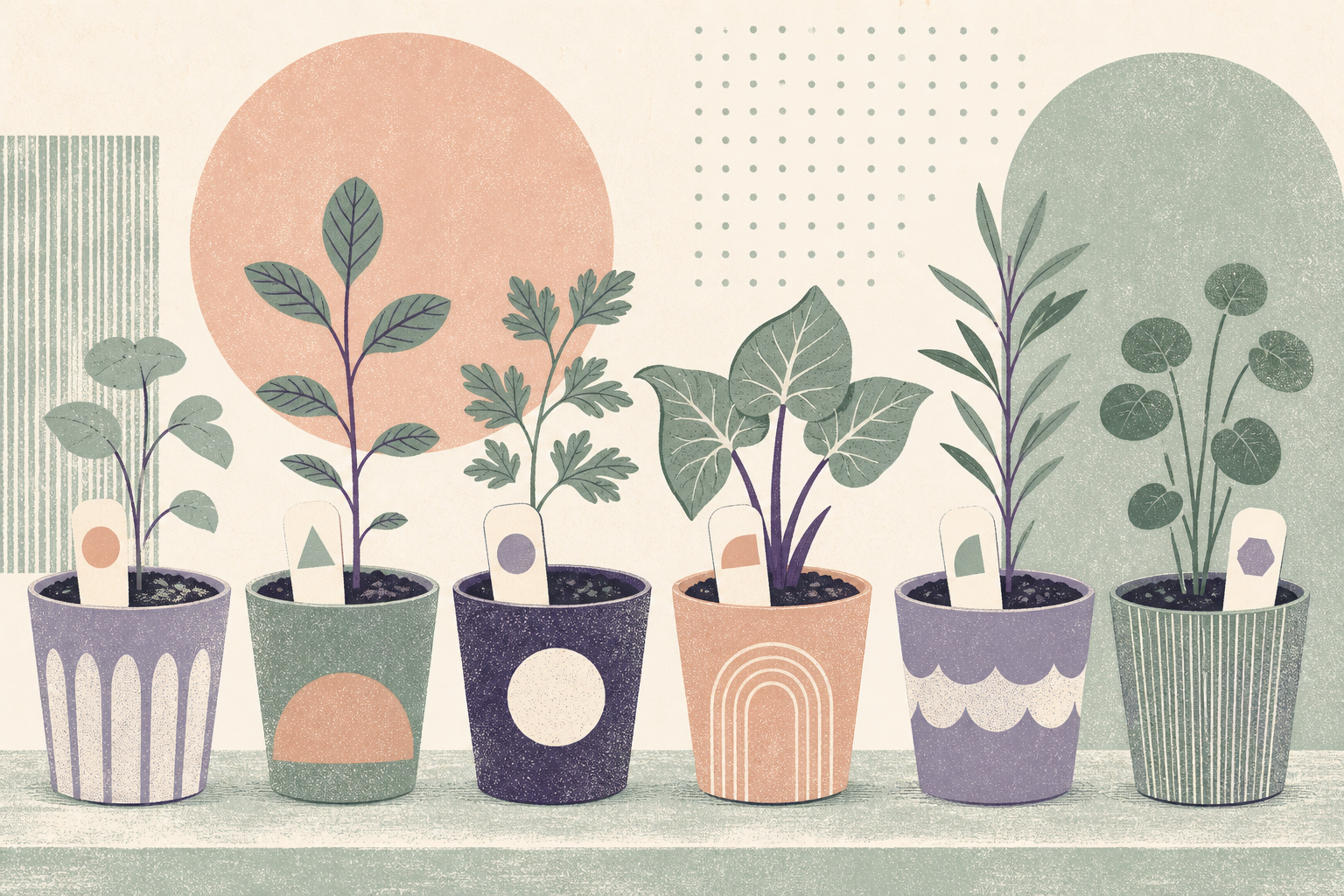
The short answer: A starter plant is a small rooted plant, not a finished specimen. Buyers should check current size, roots, and condition. Sellers should state those details before anyone asks, so the price matches the plant that arrives.
Starter plants are where many good marketplace trades begin. They are cheaper to ship, easier to collect, and less risky than an unrooted cutting. The phrase can still mean almost anything in a listing. One seller means a two-leaf rooted plant. Another means a barely rooted node in a cup. This guide helps buyers and sellers make the term useful.
Find or list small plants on Plantsnearby with current photos and straightforward size details.
Define the form before discussing price
Ask whether the plant is rooted, how many leaves it has, and what container it is in. A rooted plant in a small nursery pot is different from a fresh cutting that has been placed in moss yesterday. Both can be good purchases, but they should not be called the same thing.
For collectors, name the plant and cultivar as accurately as possible. If the name is uncertain, say that. A small plant with an honest label is easier to sell than a grand claim with no proof.
Use plant cuttings for sale when the inventory is a stem, node, or wet stick. Use plant offshoots and pups when the plant comes from a larger parent. Clear terms reduce disappointed messages.
What buyers should check
Request a current full photo, a close view of the newest leaf, and a size reference. Pot diameter, plant height, and leaf count all help. “Starter” without any of those details is not enough to compare prices.
Ask about roots when the plant is expensive or newly propagated. You do not need a seller to disturb every small plant, but a photo from a recent repot or a clear description of rooting stage helps. Avoid paying rooted-plant money for an unrooted start.
Inspect for pests and soft tissue. A small plant may have cosmetic damage from propagation. Mushy stems, sticky leaves, webbing, or moving insects are not normal starter-plant character. Quarantine every new arrival, even a tiny one.
Shipping and local pickup
Starter plants can be easier to ship than large plants, but small does not mean indestructible. Ask how the pot or roots will be held in place, whether the seller protects leaves, and whether they pause shipment in severe weather.
Local pickup lets buyers see the plant before money changes hands. It also saves a small plant from days in a box. If you meet locally, keep the plant out of a hot car and do not leave it on a cold doorstep.
Sellers should say whether they ship in the pot, bare-root, or with the medium partly removed. Each approach can work. The buyer needs to know which one applies before checkout.
How sellers can write a better listing
Put the useful information near the first photo:
- Plant name and cultivar if known
- Actual pot size, height, or leaf count
- Rooted status and recent propagation notes
- Exact-plant photo or a clear batch size range
- Pickup, delivery, or shipping details
Do not call every small plant “rare.” If it is a common starter, price it fairly and let the healthy roots do the selling. If it is a scarce cultivar, show the parent or label history without promising future variegation or mature growth you cannot guarantee.
Freshly rooted starts deserve an honest note. Buyers can decide whether they want a lower price and a little more settling time. Hiding that detail creates a refund conversation later.
A fair way to compare listings
Compare like with like before you decide. Put two rooted plants of a similar size next to each other, or two fresh starts with a similar leaf count. Comparing a rooted four-leaf plant with a one-node cutting only tells you that plants come in different stages.
Shipping cost matters more on inexpensive plants. A healthy starter can be a good local deal and a poor deal after expensive delivery. Ask whether the seller combines shipping for several small plants, but do not pack so many into one box that the plants arrive damaged.
For sellers, add a ruler or a familiar object to one photo. It removes the most common misunderstanding, which is expecting a plant that looked large in a close-up. Small plants can be excellent value when the listing is direct about their size.
After purchase
Let a starter plant settle before repotting. Keep light and watering steady, and avoid flooding the small root system. A tiny plant has less margin for a wet pot than a mature one.
Keep the listing screenshots until the plant has settled. If the wrong size or form arrives, you have a clear reference for a calm message. Sellers benefit from the same record because it shows what they offered.
If the plant has minor transit stress but firm roots and stem tissue, give it time before declaring it a loss. If it arrives soft, pest-covered, or substantially different from the listing, document it promptly and contact the seller through the agreed channel.
Bottom line
Starter plants for sale should be a clear product category: small, rooted, and honestly sized. Buyers should ask what is in the pot. Sellers should answer before they are asked. That simple clarity makes small-plant transactions much less stressful.
Frequently Asked Questions
What is a starter plant?
Usually a small rooted plant with a few leaves, sold before it reaches display size. The seller should state the actual size and form.
Are starter plants better than cuttings?
A starter plant generally has roots and visible growth, so it carries less uncertainty than an unrooted cutting. The price should reflect that.
What should sellers include in a starter plant listing?
Current photos, pot size or height, root status, cultivar name if known, and clear pickup or shipping details.