Spider Plant for Sale: How to Spot a Solid Listing
Spider plant for sale can mean a full hanging basket or a bag of babies. Verify photos, rooted pups, and handoff terms before the price makes sense.
By Alex Turner
Plantsnearby is reader-supported. As an Amazon Associate we earn from qualifying purchases. Learn more.
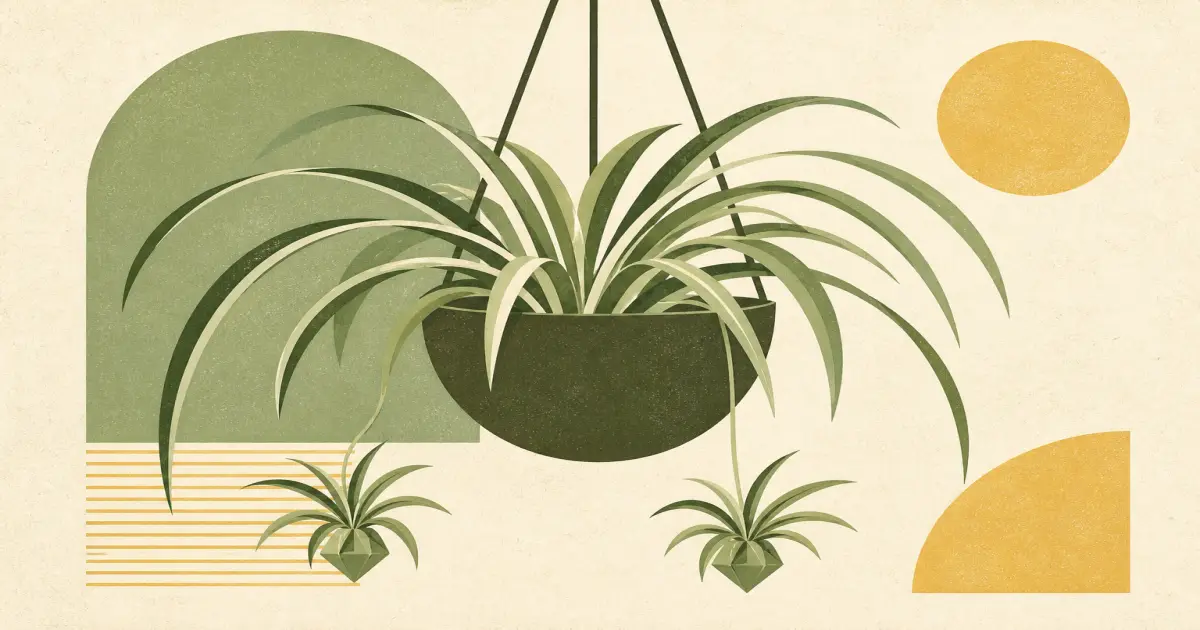
The short answer: Spider plant for sale can mean a crowded hanging basket or a few babies in a bag. Before you pay, verify exact-plant photos, whether the pups are rooted, and clear pickup or shipping terms. Firm leaves and an honest form label beat a cute caption.
Spider plants (Chlorophytum) are one of the easiest houseplants sellers actually list. They make plantlets, they travel okay, and buyers recognize them. This guide helps buyers sort those listings. Sellers can use the same checklist so photos and form labels match the price.
Soft next step: find or list spider plants on Plantsnearby with exact-plant photos.
Know which spider plant market you are in
Common green and variegated forms are everyday houseplants. They should cost nursery or hobby money, not collector money. Unusual striping or named forms can cost more when photos prove the exact leaves.
A listing that only says “rare spider plant” with no size, pup count, or photos is incomplete. Rare without proof is a marketing word. Match the plant type to the price before you talk shipping.
If you want a first indoor plant, compare toughness with our beginner houseplants guide. Spider plants sit in that lane when they are rooted and firm.
Mother plant vs pups vs rooted starts
A full mother plant with a thick crown is a different product from three plantlets on a string. Pay for what you are getting. Ask about pot size, leaf count, and whether pups are already rooted.
Plantlets still attached to the runner can root after you pin them down. Rooted pups in their own cups are closer to starter plants. Unrooted babies should cost less. Our plant offshoots and pups guide covers the same start-versus-plant logic.
Rooted plants should sit in mix that is not swampy. Spider plants dislike constant wet crowns. Ask when it was last watered and whether the pot drains.
Photos that actually help
You want a full-plant shot that shows size and leaf arch, a closer look at variegation if claimed, and a soil-line or root clue for potted plants. For pups, ask for a photo of the base where roots should form.
Stock photos of perfect catalog spiders are a warning when the price is high. Exact-plant photos are the baseline. If the seller will not send a current shot, walk away.
Watch for mushy crowns, translucent leaves, sticky residue, and webbing in the leaf folds. Brown tips can be cosmetic. Soft rot at the center is not.
Local pickup vs shipping
Local pickup lets you check firmness and refuse a soft crown on the spot. That is ideal for large hanging baskets that crush in transit. Use buy plants near me habits for meetup logistics.
Shipping works better when long leaves are loosely gathered and the box keeps the crown from flopping. Ask how the seller packed the last spider plant that arrived intact. Vague answers on a big basket are a bad sign.
Heat and freeze still damage tissue. Ask about weather holds. A patient seller who waits for a milder week is usually a better partner than one who ships into a freeze for speed.
Leaf condition and variegation claims
Firm, arched leaves are the product. Floppy, wrinkled, or translucent tissue means stress or rot. Ask how recently the plant was watered, moved, or split.
Variegated forms should show clear striping in current photos. A green plant sold as “variegated in bright light later” is not the same product. Pay for the leaves you can see now.
Reverse variegation and curly forms exist. Ask which you are getting. A short bird’s-nest look is not the same as a long hanging basket, even when both are spider plants.
Pests and quarantine
Spider mites and scale still show up in leaf folds. Check photos for webbing and bumps. Ask for a closer crown shot if the price is more than pocket change.
Quarantine new arrivals away from your other plants. Easy plants still carry hitchhikers. Our quarantine new plants habit is worth the two weeks.
If pests appear after delivery, document with photos and follow the stated policy. Clear policies in the listing are a trust signal before you buy.
Price sanity checks
Bigger baskets with more pups cost more. A few unrooted babies should not cost a finished hanging plant. Huge discounts on perfect full plants often hide shipping distance, soggy soil, or a recent hard split.
Compare a few local prices for the same size class before you chase an online deal with vague photos. Freight on a tall hanging pot can erase the savings.
If two listings look identical and one is half the price, compare pot size, pup count, and whether the cheaper plant was recently divided.
What sellers should put in the listing
Name the form if you know it, show exact-plant photos, state pot size or pup count, and say whether buyers get a mother plant or rooted starts. Spell out pickup or shipping terms.
Add one sentence if you just split the plant. Buyers should know they are getting a fresh division, not a long-settled basket.
Soft next step for sellers: list the exact plant on Plantsnearby with current photos and honest form labels.
After it arrives
Give the plant a few days in bright indirect light before you decide it hates your home. Do not water on day one if the mix is still damp from shipping.
Spider plants like to dry a bit between drinks. Overwatering after arrival is a common way a “tough” plant fails. Drainage matters more than a fancy pot.
If you bought locally, keep the message thread for a short window in case rot or pests show during quarantine. Documentation helps both sides.
Bottom line
Spider plant for sale is a size-and-form buy more than a rarity buy. Verify the exact plant, pay for rooted pups when that is what you want, and keep handoff terms clear. Good photos and a plain pup count beat a stylish caption every time.
Frequently Asked Questions
What should I check before buying spider plant for sale?
Confirm current photos of the exact plant, whether you are getting a mother plant or rooted pups, leaf firmness, and clear pickup or shipping terms.
Are spider plant babies the same as a full plant?
No. Plantlets can root, but a established mother plant with a full crown is a different product and should be priced that way.
Do spider plants ship well?
Often yes when leaves are firm and packing keeps long leaves from snapping. Soft, brown, or mushy crowns are the usual problems.
Are spider plants good for beginners?
Usually yes when stock is healthy. They forgive missed waterings better than soft tropicals. Still quarantine new arrivals.
Why do spider plant prices vary?
Full baskets cost more than a few unrooted plantlets. Named variegated forms also cost more when photos prove the striping.