Air Plants for Sale: What Buyers Should Verify
Air plants for sale can mean a healthy Tillandsia or a dried husk in a gift box. Verify labels, firmness, and handoff terms before the price makes sense.
By Alex Turner
Plantsnearby is reader-supported. As an Amazon Associate we earn from qualifying purchases. Learn more.
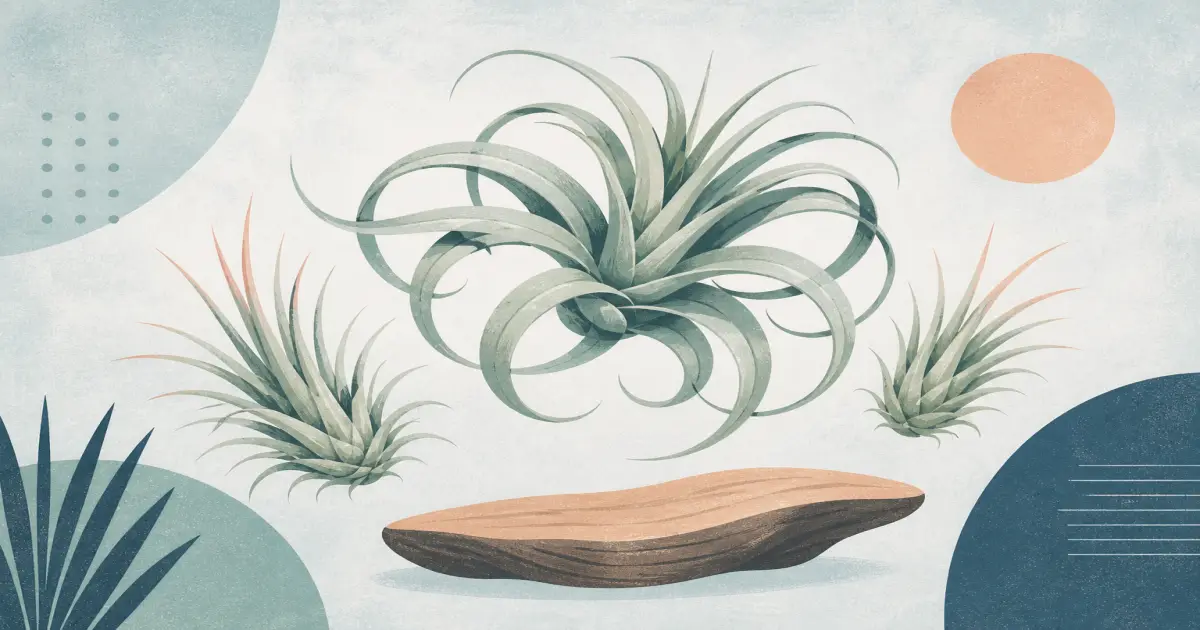
The short answer: Air plants for sale should look firm and silvery-green, not mushy or paper-dry. Before you pay, verify exact photos, whether the plant is mounted or bare, and how it will ship or hand off. A clear species label beats a vague “rare air plant” caption.
Air plants (mostly Tillandsia) show up in gift shops, nurseries, and local marketplaces. They photograph well and travel light, which is why sellers list them often. This guide helps buyers sort those listings. Sellers can use the same checks so photos and care notes match the price.
Soft next step: find or list air plants on Plantsnearby with current photos and honest form labels.
Know what you are actually buying
“Air plant” is a category, not a cultivar. Common forms like ionantha or xerographica behave differently and should not share one mystery price. Ask for the species name if the listing claims something specific. If the seller does not know, that is fine for a cheap hobby plant, but the price should stay in hobby range.
Mounted plants on wood or cork are a different product from bare plants. Mounts add size, weight, and shipping risk. Bare plants are easier to inspect and usually cheaper to mail.
Gift-box bundles with moss and glass globes can hide soft bases. Ask for a photo of the plant out of the ornament if the price is more than a small gift.
Photos that actually help
You want a full-plant shot, a closer look at the leaf bases, and a sense of size next to a coin or ruler. Silvery trichomes should look alive, not dull brown throughout.
Stock catalog photos are a warning when the price is high. Exact-plant photos are the baseline. If the seller will not send a current shot, walk away.
Watch for black or mushy centers, translucent leaves, and plants that look like dried straw. Dry outer tips can be cosmetic. Soft rot in the core is not.
Mounted vs bare vs “display ready”
Bare air plants are easiest to soak and inspect. Mounted plants look finished but can trap moisture against wood if packing is wet. Ask how the mount was made and whether you can remove the plant for soaking.
Display globes look pretty in photos and often ship poorly. Glass, poor airflow, and condensation are a bad mix in a sealed box. Prefer bare plants if the seller is new to packing.
If you want a first easy indoor plant, compare toughness with our beginner houseplants guide. Air plants are simple when light and drying are right. They are not “no care.”
Local pickup vs shipping
Local pickup lets you feel leaf firmness and refuse a soft core on the spot. That is ideal for larger xerographica-type plants that crush easily. Use buy plants near me habits for meetup logistics.
Shipping works when the box prevents crushing and the plant is not soaked for the trip. Ask how the seller packed the last air plant that arrived intact. Vague answers on a large specimen are a bad sign.
Heat and freeze both damage tissue. Ask about weather holds. A patient seller who waits for a milder week is usually a better partner than one who ships into a heat wave for speed. Our how to ship plants guide covers when to refuse a ship date.
Condition checks before you pay
Firm leaves with a bit of spring are the product. Floppy, translucent, or black centers mean stress or rot. Ask when the plant was last soaked and how it was dried.
Bloom spikes can be normal. A plant that is flowering is not automatically dying, but some forms decline after bloom. Ask if the seller knows the form’s habit.
Pups attached to a mother plant are a bonus when they are firm. Soft pups next to a rotting mother are not a bargain.
Pests, mold, and quarantine
Air plants can hide scale or mold in the leaf bases. Check photos for crusty bumps and fuzzy white patches. Ask for a closer base shot if the price is more than pocket change.
Quarantine new arrivals away from your other plants. Easy plants still carry hitchhikers. Our quarantine new plants habit is worth the short wait.
If problems appear after delivery, document with photos and follow the stated policy. Clear policies in the listing are a trust signal before you buy.
Price sanity checks
Common ionantha-type plants should cost everyday money. Named or large specimen forms cost more when photos prove size and form. Huge discounts on “rare” labels with stock photos are the usual trap.
Compare a few local prices for the same size class before you chase an online deal with vague photos. Freight on a big mount can erase the savings.
If two listings look identical and one is half the price, compare size, mount, and whether the cheaper plant looks dry or soft.
What sellers should put in the listing
Name the species if you know it, show exact-plant photos, state approximate size, and say whether it is mounted or bare. Spell out pickup or shipping terms and a simple soak note so buyers know what they are getting.
Add one sentence if the plant recently bloomed or produced pups. Buyers should know the plant’s current stage.
Soft next step for sellers: list the exact plant on Plantsnearby with current photos and honest labels.
After it arrives
Give the plant bright light and airflow before you decide it hates your home. Soak or rinse as the seller suggests, then dry fully. Leaving an air plant wet in a closed bowl is a common way a tough plant fails.
If you bought locally, keep the message thread for a short window in case soft tissue shows during quarantine. Documentation helps both sides.
Bottom line
Air plants for sale are a firmness-and-form buy. Verify the exact plant, pay for size you can see, and keep handoff terms clear. Good photos and a plain species label beat a stylish gift-box caption every time.
Frequently Asked Questions
What should I check before buying air plants for sale?
Confirm the species or form if claimed, current photos of leaf color and firmness, whether it is mounted or bare, and clear pickup or shipping terms.
Do air plants ship well?
Often yes when leaves are firm and packing is not crushed. Soft, translucent, or black bases are warning signs before and after shipping.
Are cheaper air plants always worse?
Not always. Common forms should cost everyday money. Huge discounts on named species with stock photos are the red flag.
Do air plants need soil?
No. They take water and nutrients through leaves. They still need bright light, airflow, and a soak or rinse schedule after you bring them home.
Should I quarantine new air plants?
Yes. Keep them away from other plants for a short window and watch for soft tissue or pests hidden in the leaf base.